Moroccan Desserts & Sweets Guide
7 min read
Moroccan sweets don’t really function like a Western dessert course — most of them are dense, spiced, and built to last, meant for tea time, celebrations and Ramadan rather than a final course after dinner. Here’s what’s what.
Chebakia
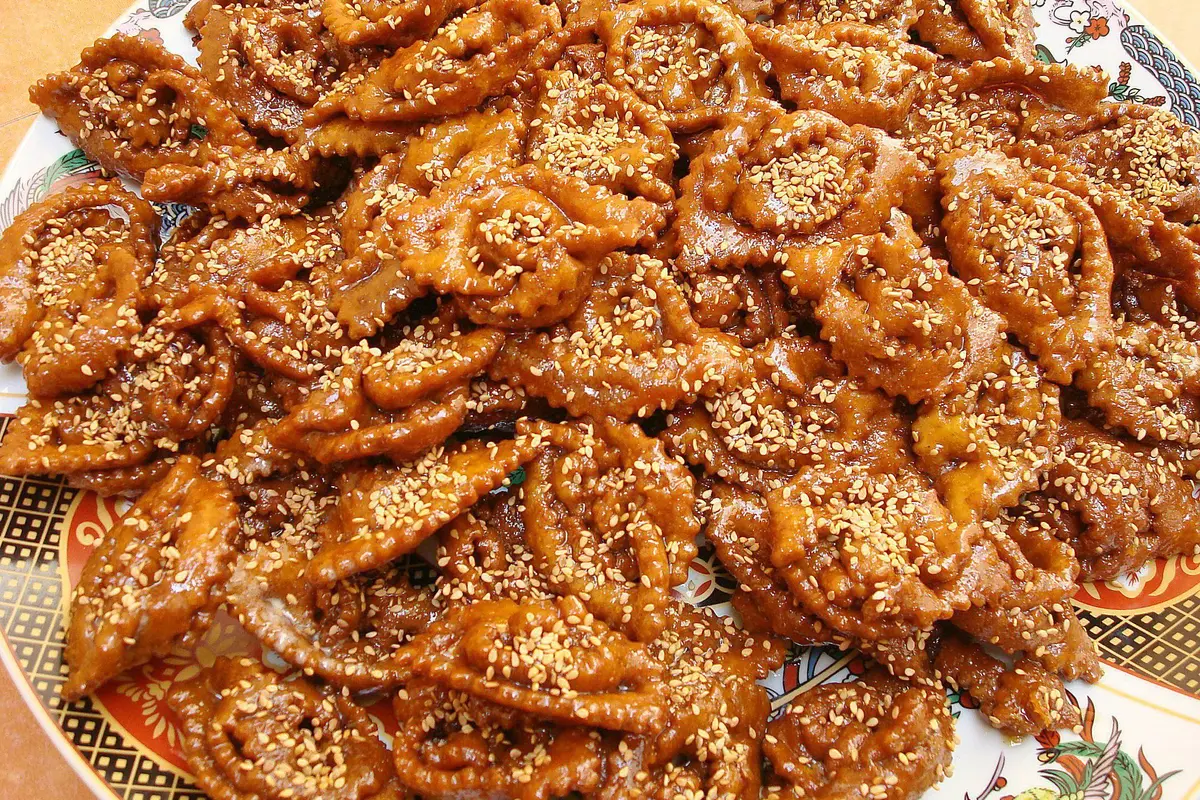
Flower-shaped, deep-fried pastries coated in honey and sesame seeds, chebakia is the single dish most associated with Ramadan — it appears on nearly every iftar table alongside harira soup. It keeps well, which is part of why Moroccan families often make large batches at once during the month.
Sellou (Sfouf)
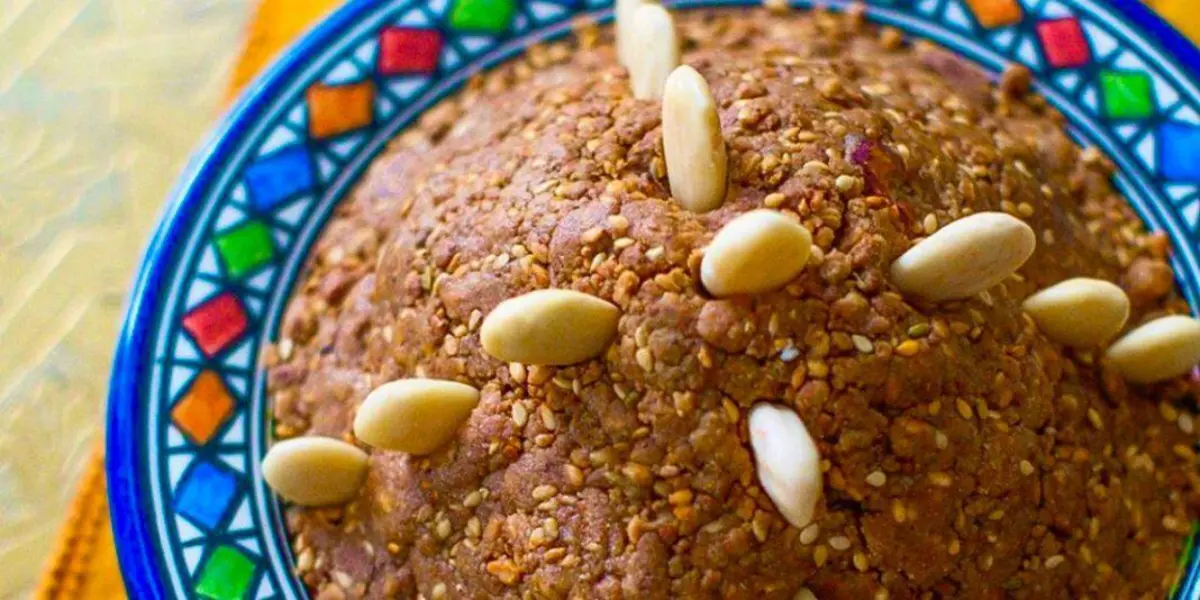
Unlike everything else on this list, sellou isn’t baked or fried — it’s a toasted mixture of flour, ground almonds, sesame seeds and spices, sweetened and pressed into a dense, no-bake sweet. It’s traditionally prepared for new mothers after childbirth and during Ramadan, valued for being energy-dense and long-lasting.
Kaab el Ghazal (“Gazelle Horns”)
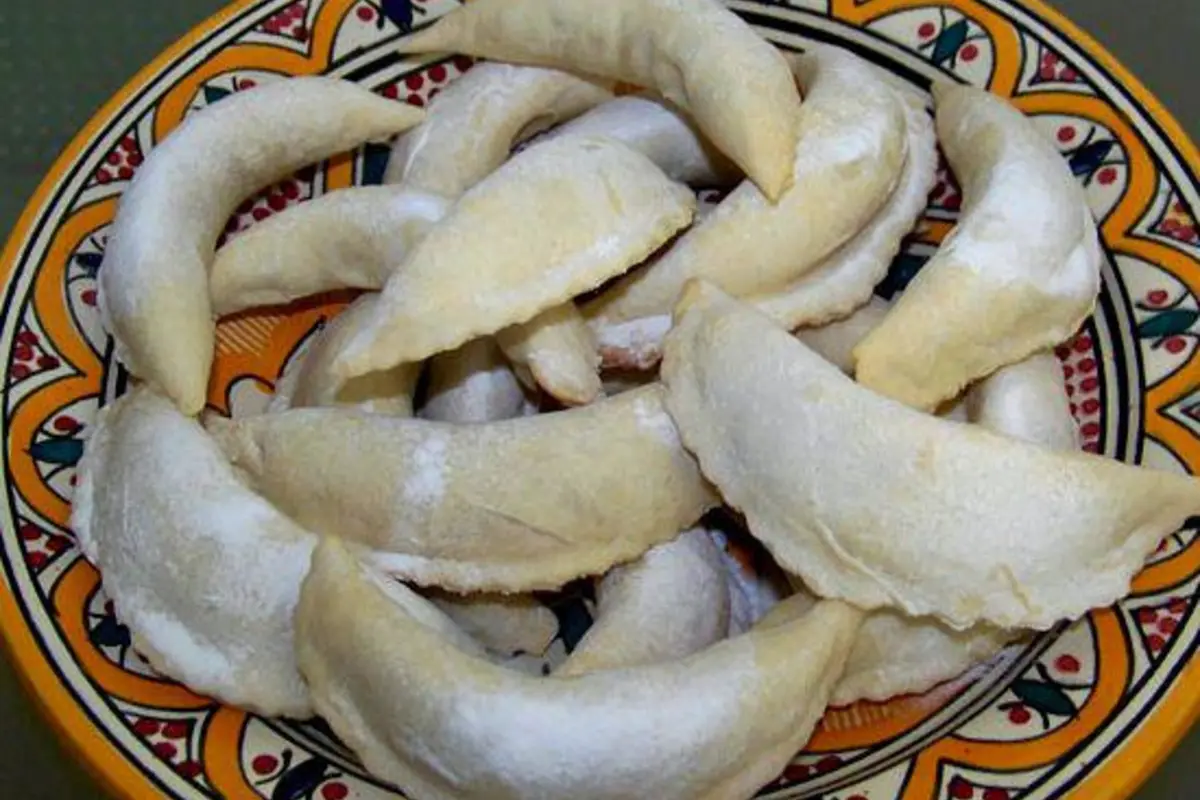
Crescent-shaped almond pastries with a delicate exterior and a fragrant almond-paste filling, kaab el ghazal is one of the more refined items on any Moroccan sweets table — commonly served at weddings and formal occasions alongside mint tea, rather than as an everyday snack.
Fekkas
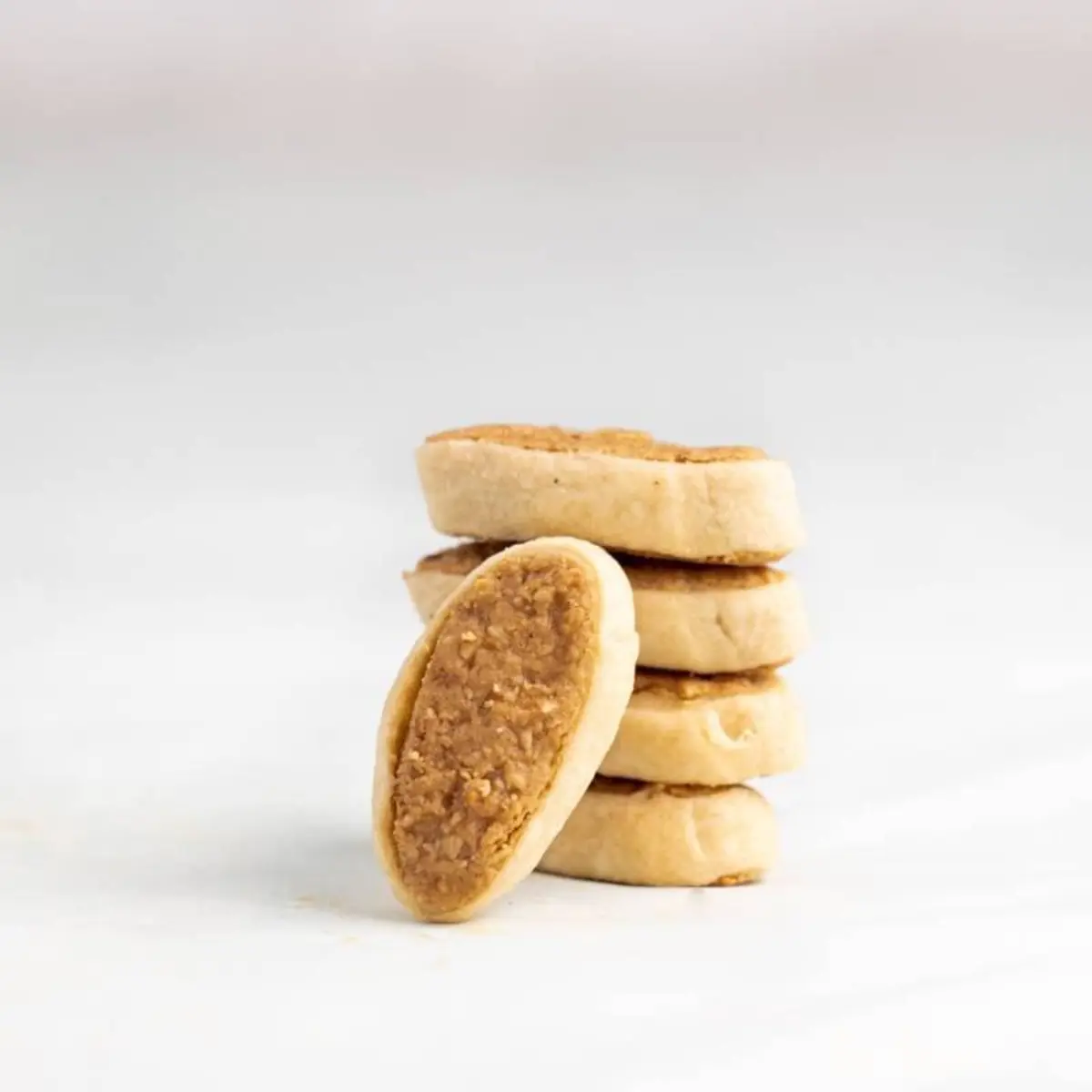
Morocco’s answer to biscotti — fekkas is a twice-baked almond and anise biscuit, sliced thin and genuinely crunchy. It’s the most practical sweet on this list for travel or gifting, since it keeps for weeks without special storage.
Briouats
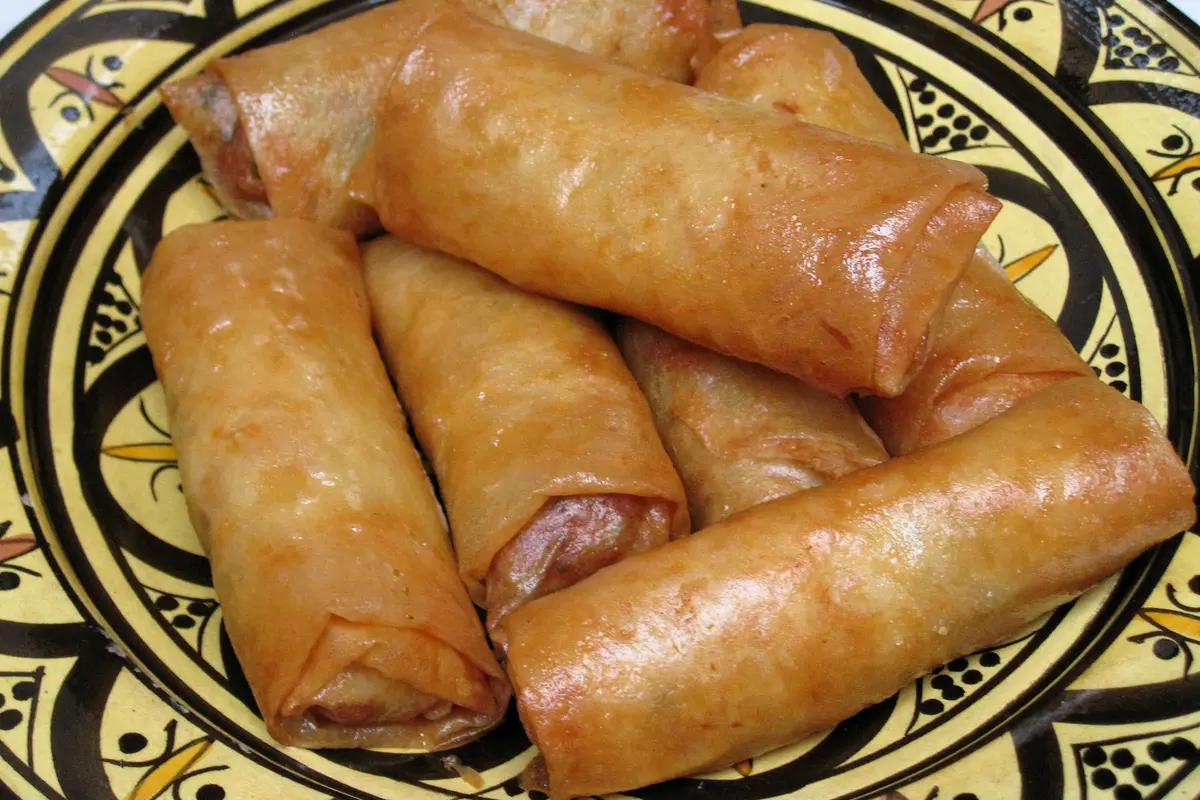
Small, triangular pastries wrapped in thin warqa dough, briouats can be sweet (almond-and-honey filled, as in our recipe) or savory, making them one of the more versatile items in Moroccan pastry. The sweet version is fried until crisp, then dipped in warm honey.
Amlou
Not a baked sweet at all, but worth including — amlou is the almond, argan oil and honey spread eaten with bread, most often at breakfast rather than as a dessert. It’s the closest thing on this list to an everyday, spoonable sweet.
When Are These Actually Eaten?
Almost none of these are “after-dinner dessert” in the way that word is usually used. Chebakia and sellou are strongly tied to Ramadan; kaab el ghazal shows up at weddings and formal visits; fekkas and amlou are everyday tea-time or breakfast items. The common thread is mint tea — nearly all of them are built to be eaten alongside a glass of it, not on their own.
Learning to Make Them
Several of these — particularly chebakia, kaab el ghazal and briouats — take real technique to get the pastry right, which is exactly the kind of thing that’s easier to pick up hands-on than from a recipe alone. Our pastry and mint tea workshop is built specifically around this.