Cooking Classes in Marrakech During Ramadan
6 min read
Ramadan changes the daily rhythm of Marrakech, and it’s a common question from travelers planning a cooking class: does anything still run, and what should you expect if your trip lands during the fasting month? Short answer — yes, classes continue, but timing needs a bit more thought than the rest of the year.
When Ramadan Falls
Ramadan follows the Islamic lunar calendar, so its dates shift roughly 11 days earlier each year rather than sitting on a fixed date. If your trip is close to Ramadan, it’s worth checking the current-year dates specifically rather than assuming from a previous visit — the fasting month, and the adjustment it brings, lasts around 29-30 days.
What Changes During the Day
Between dawn and sunset, many locals fast — no food or drink, including water. A number of everyday restaurants reduce their hours or close for the daytime, and the souks and medina run at a noticeably quieter pace before midafternoon. None of this is enforced on visitors, and Marrakech is used to tourists eating and drinking during the day, particularly in hotels, riads and more touristic areas — but the general atmosphere is calmer and slower than usual until the sunset call to prayer.
Cooking Classes Still Run — Timing Just Shifts
A hands-on cooking class is entirely possible during Ramadan, and for food-curious travelers it’s arguably a more interesting time to visit — you’re cooking against the backdrop of the exact meal Moroccan families are building their whole day around. What we adjust:
- Morning and early-afternoon classes work well. A market visit and cooking session before mid-afternoon avoids clashing with the household routines building toward iftar (the sunset meal that breaks the fast).
- Private classes offer the most flexibility. Since a private class dedicates the kitchen and chef entirely to your group, timing can flex around Ramadan hours more easily than a fixed group-class schedule — see our private cooking class.
- Some hosts prefer not to cook in the hour or two right before sunset, since that’s when their own household is preparing to break the fast. This is worth confirming when you book rather than assuming.
Message us on WhatsApp with your travel dates if they fall during Ramadan — we’ll tell you directly what’s realistic that week rather than leaving it to guesswork.
Learning the Iftar Table
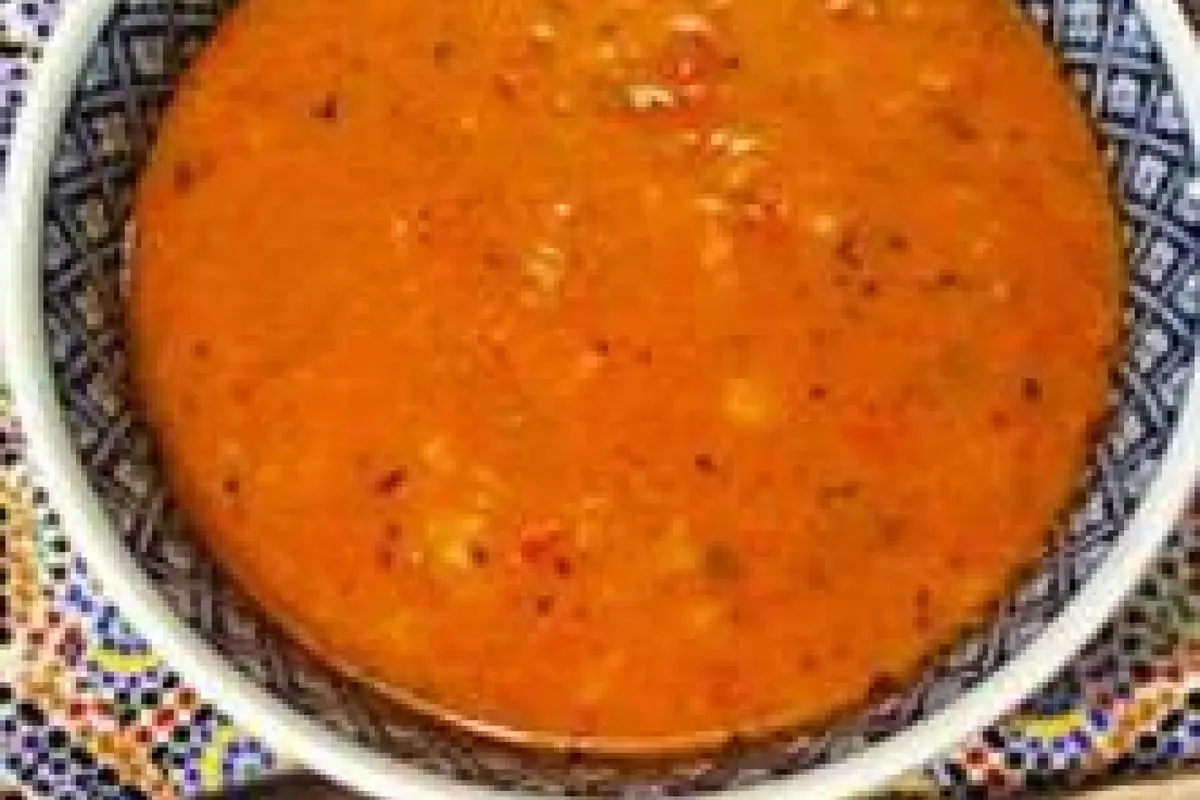
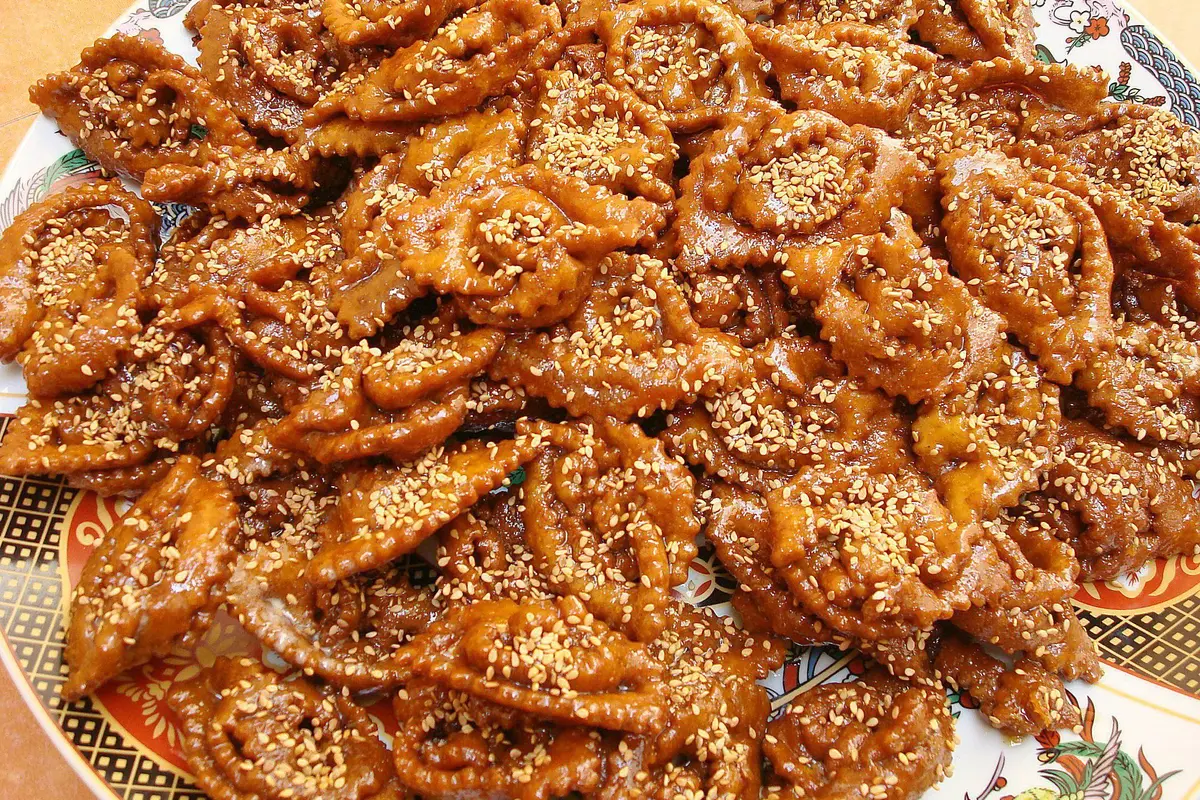
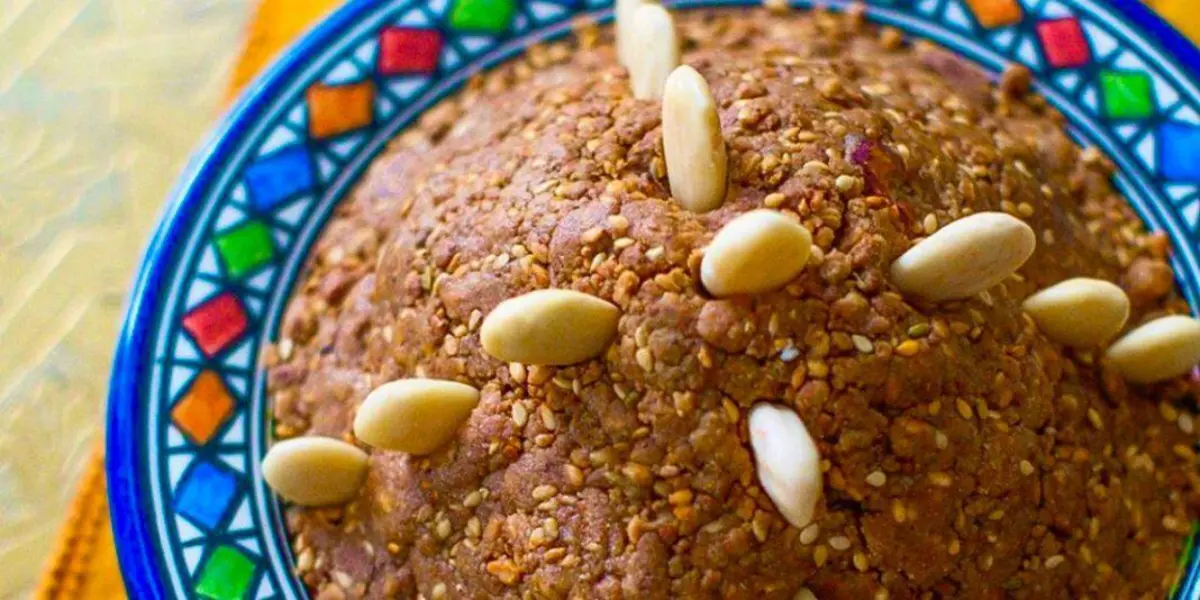
If you’re curious about Ramadan specifically rather than just working around it, ask about building a class around the classic iftar spread: harira (the tomato-lentil soup that traditionally opens the fast), dates, chebakia (the sesame-honey pastry associated with Ramadan more than almost any other Moroccan sweet), and hard-boiled eggs with cumin. It’s a genuinely different menu from what most cooking classes teach the rest of the year, and it’s the meal most Marrakech households are actually eating that month.
A Few Etiquette Notes
Eating or drinking visibly in the street during fasting hours is generally avoided out of courtesy even though it isn’t against any law for visitors — restaurants, hotel terraces and riad courtyards are the comfortable places to do it. If you’re invited to break the fast with a Moroccan family or host, treat it the way you would any invitation into a Moroccan home — see our dining etiquette guide for the basics on accepting hospitality gracefully.
The Practical Summary
Ramadan doesn’t close Marrakech’s cooking classes down — it just narrows the comfortable window and rewards a bit of flexibility. Book a morning or early-afternoon slot, lean private if your schedule is tight, and consider asking for the iftar menu instead of the usual tagine-and-couscous class. It’s one of the more memorable times of year to cook in a Marrakech kitchen, not a reason to skip it.