Vegetarian & Vegan Guide to Moroccan Food
6 min read
Morocco isn’t a vegetarian or vegan cuisine by default — meat and poultry sit at the center of most classic dishes — but it’s a better destination for plant-based eating than its reputation suggests, once you know what to look for.
Naturally Vegetarian and Vegan Dishes
A handful of Moroccan staples are vegetable-based from the start, not a modified version of a meat dish:
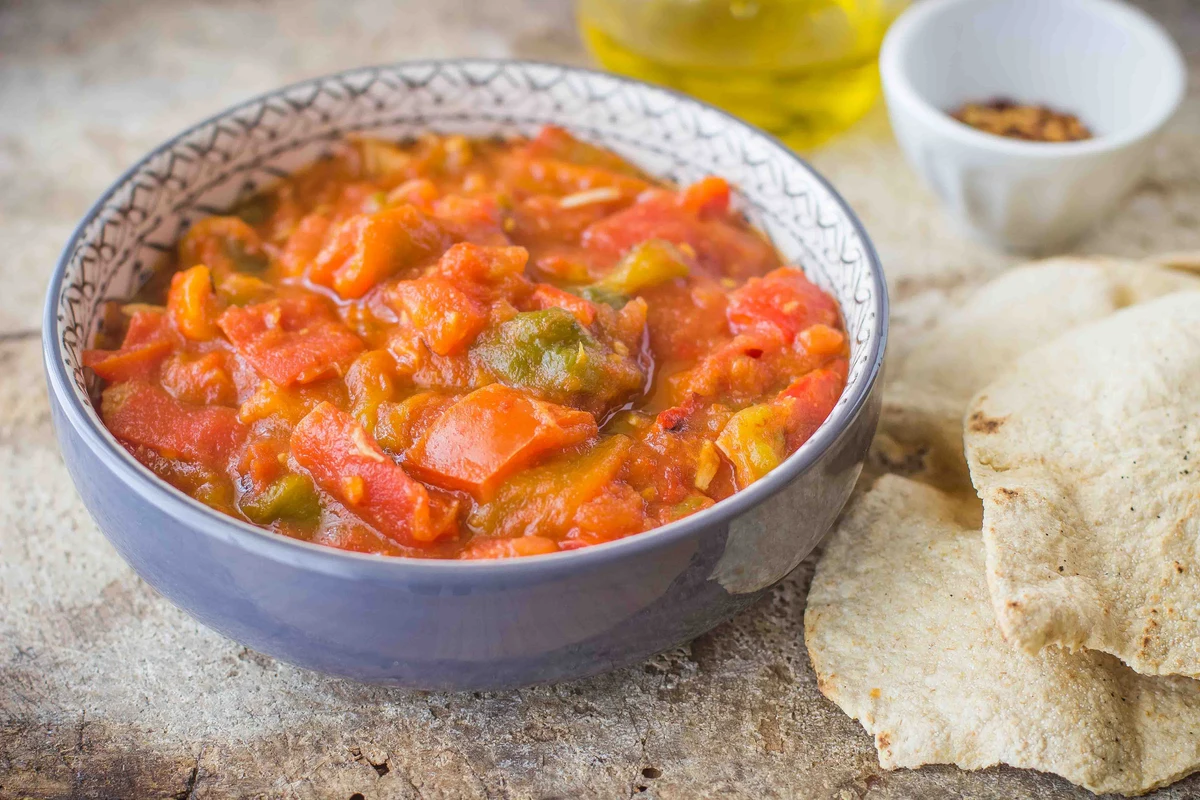
- Zaalouk and taktouka — the two classic cooked salads (eggplant-tomato and roasted pepper-tomato) are vegan as standard.
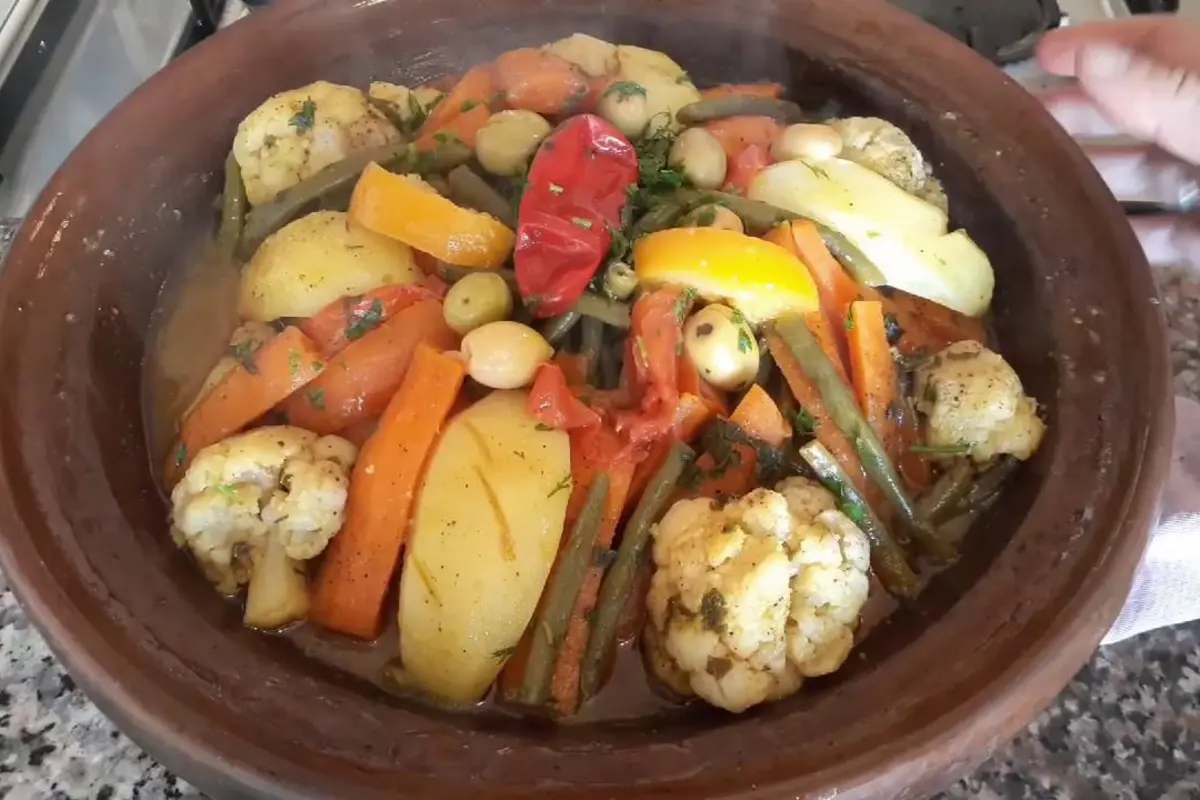
- Vegetable tagine — a full tagine built entirely around seasonal vegetables, usually simmered with the same warm spice base as meat versions.
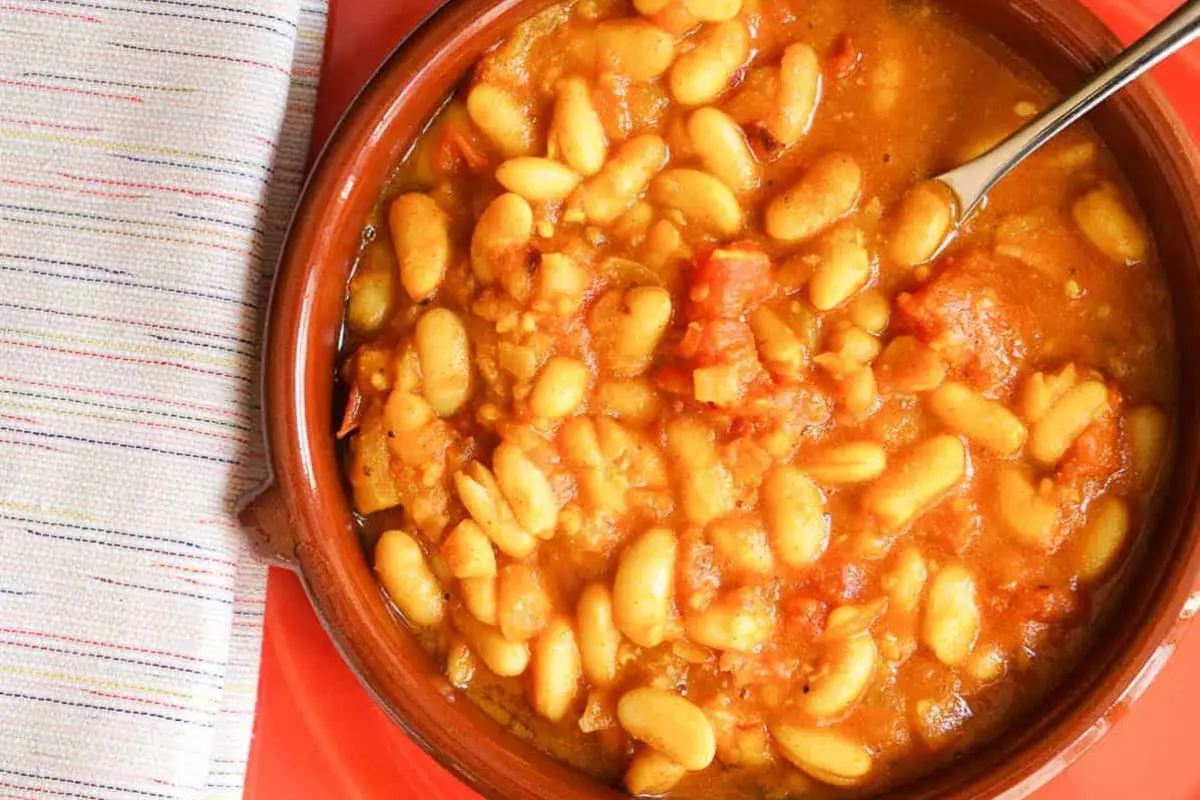
- Loubia — a spiced white bean stew, hearty enough to work as a main course.
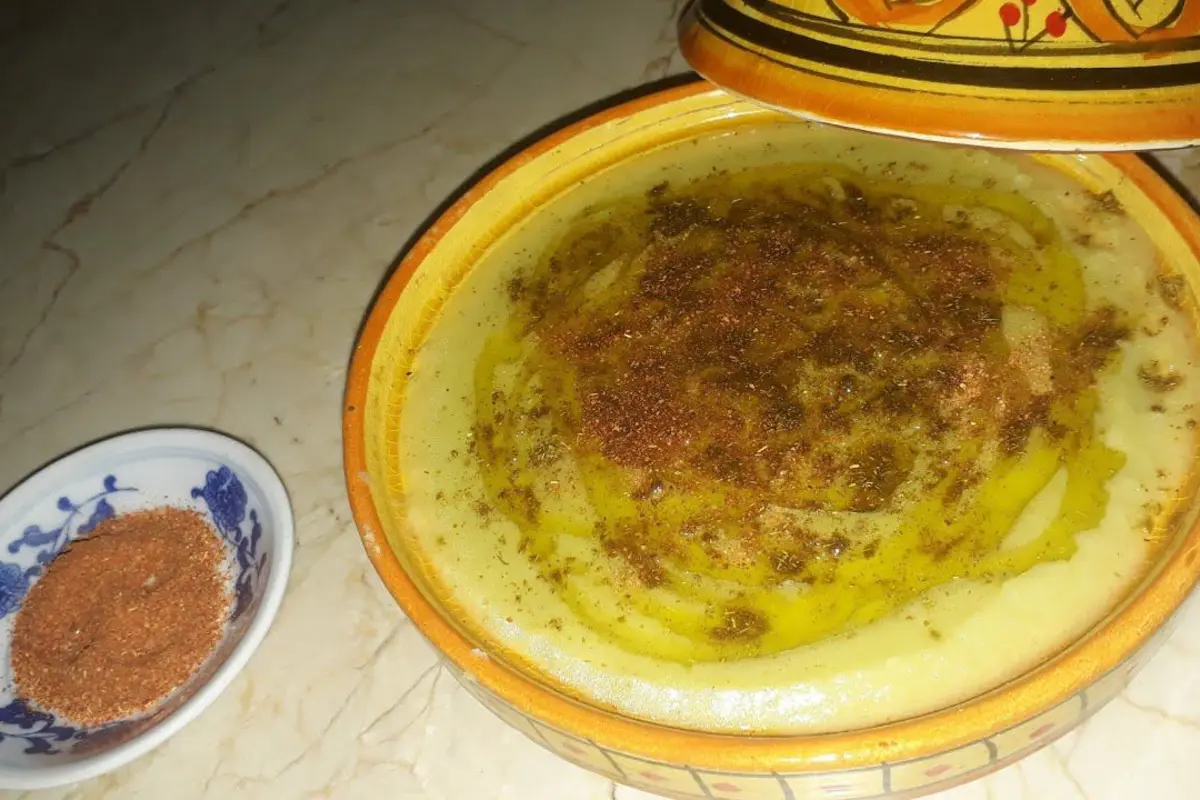
- Bessara — a thick fava bean soup, traditionally vegan and often eaten for breakfast.
- Fresh salads — tomato-cucumber salad, carrot salad, and orange-cinnamon salad are all naturally plant-based.
Dishes That Need a Modified Version
Some Moroccan classics are vegetarian-friendly only if requested that way:
- Harira is traditionally made with meat and sometimes a meat stock base — ask for it “bidoun lham” (without meat) if you want a vegetarian version, which many restaurants can do.
- Couscous is usually served with a meat or vegetable topping depending on the day — a vegetable couscous is common and easy to ask for, but it isn’t always the default.
- Pastilla is traditionally chicken or pigeon; vegetarian versions exist (often with vermicelli or vegetables) but aren’t universal — worth confirming before ordering.
What to Watch For as a Vegan
Vegetarian in Morocco doesn’t automatically mean vegan. A few common traps:
- Butter and smen (fermented butter) show up in bread, pastries and some vegetable dishes.
- Honey is standard in most Moroccan sweets — chebakia, sellou and briouat are all built around it, so very few pastries are vegan without modification.
- Amlou, the almond-argan-honey spread sold throughout Marrakech’s souks, is a good vegan option if you swap or skip the honey — some versions use only argan oil and almonds.
Ordering With Confidence
Restaurant staff and cooking-class hosts in Marrakech are generally used to dietary requests, especially in areas that see regular tourism. Being specific helps more than a general “vegetarian” label — naming what you do and don’t eat (no meat stock, no honey, dairy is fine) tends to get a more accurate result than leaving it open-ended.
If you’d rather not navigate a menu at all, our vegan and vegetarian cooking classes are built around this from the start — the whole menu is planned ahead of time, so there’s no guesswork over what’s actually in the dish.