What to Eat in Marrakech: A Complete Guide
8 min read
What is the essential food to eat in Marrakech?
At minimum, prioritize tagine, Moroccan salads (zaalouk and taktouka), fresh bread, and mint tea — together they represent the core of everyday Moroccan cooking and are available at nearly every level of restaurant in the city. Beyond that baseline, harira soup, couscous (ideally on a Friday), and Moroccan pastries round out a fuller picture of the cuisine.
Tagine: The Dish to Start With
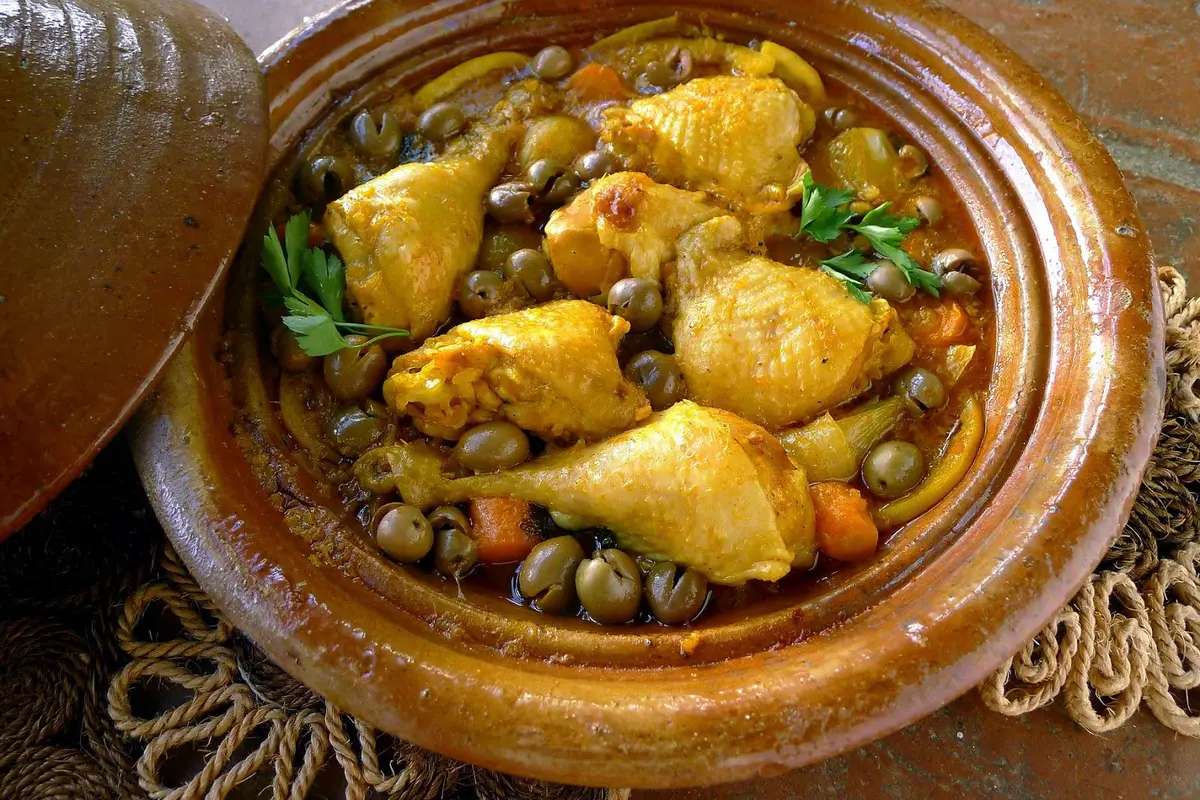
Tagine — a slow-cooked stew named after the clay pot it’s cooked in — is the most representative dish of Moroccan home cooking and the easiest to find done well. Chicken with preserved lemon and olives is the most common version served to visitors; lamb with prunes and almonds is richer and more festive. Vegetable tagine is widely available and naturally suits vegetarian and vegan diets. For the technique behind it, see our guide to making traditional tagine or try it yourself in a Tagine Cooking Class.
Moroccan Salads: More Than a Side Dish
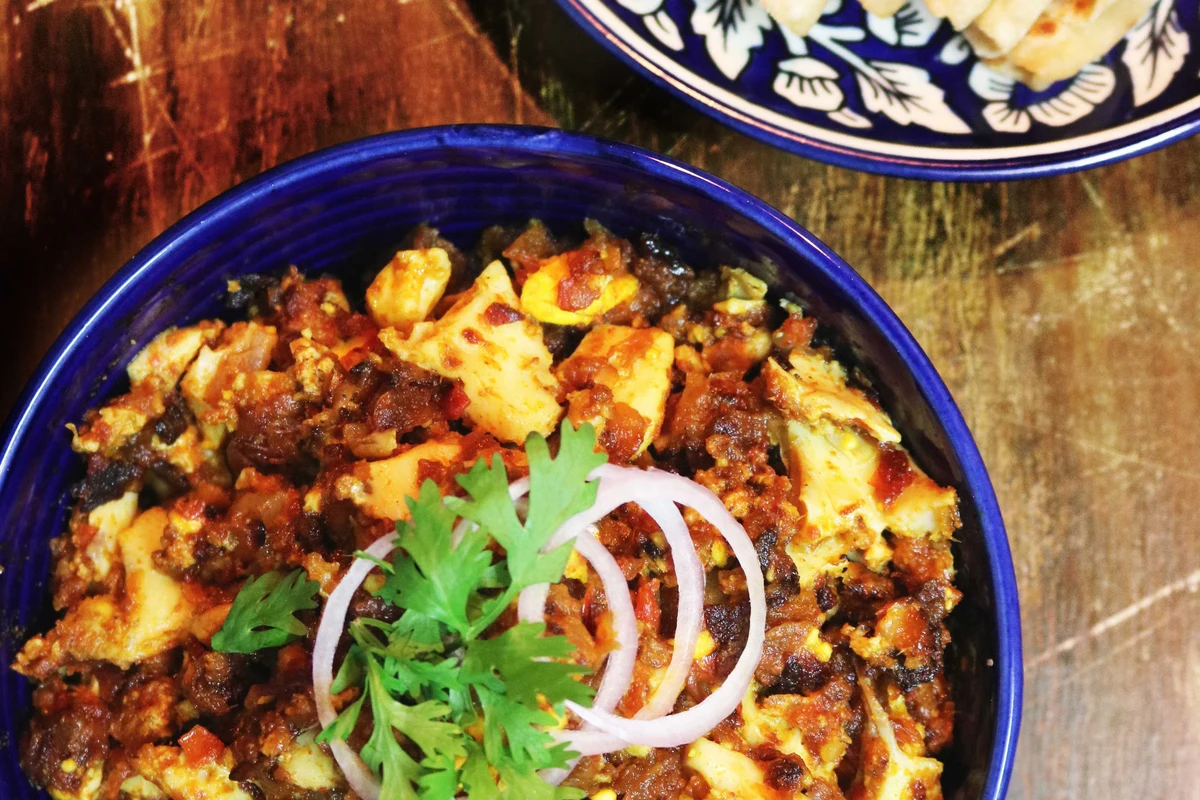
What’s called a “salad” in Morocco is often a cooked, spiced vegetable dish rather than raw greens. Zaalouk (eggplant and tomato) and taktouka (roasted pepper and tomato) are the two most common, usually served together with bread at the start of a meal, closer to a warm dip than a leafy salad.
Bread Is Part of Every Meal
Moroccan bread (khobz) arrives automatically at most meals and functions as a utensil as much as food — tearing off pieces to scoop up tagine sauce is standard practice, not a workaround. Msemen and harcha, both flatbreads, are more specifically breakfast foods.
Couscous, But Timing Matters
Traditional hand-steamed couscous, served with a vegetable stew, is strongly associated with Friday in Moroccan households — many traditional restaurants only serve it that day, though tourist-oriented places often offer it throughout the week. If your trip includes a Friday, it’s worth timing a meal around it. See our couscous vs. tagine comparison if you’re deciding which to prioritize.
Soup and Lighter Options
Harira, a tomato, lentil and chickpea soup, is filling enough to serve as a light meal and widely available. It’s particularly associated with Ramadan but served year-round.
Street Food and Jemaa el-Fnaa
The main square’s food stalls, especially active from early evening onward, offer grilled meats, snail soup, fresh juice and sweets in one concentrated area. It’s touristy in parts but also genuinely where locals eat — following the stalls with the longest local queues is a reasonable filter.
Sweets and Tea
Moroccan pastries — briouats (filo parcels, sweet or savory), ghriba (crackled shortbread cookies), and chebakia (sesame-honey cookies, especially around Ramadan) — pair with mint tea, which is offered constantly as a form of hospitality rather than an occasional treat.
How to Actually Try All of This on a Short Trip
Working through this list dish by dish across scattered restaurants takes time most visitors don’t have. Two more efficient options: a guided Marrakech Food Tour covers 8-10 tastings across the city’s best stops in one afternoon, or a hands-on Moroccan Cooking Class teaches you to make several of these dishes yourself, which tends to stick with people longer than eating alone.
Frequently Asked Questions
Is Moroccan food spicy? Generally no — Moroccan cooking is warmly spiced (cumin, ginger, cinnamon, turmeric) rather than chili-hot. Heat can be added separately with harissa on the side in many restaurants.
Is it easy to eat vegetarian in Marrakech? Yes. Vegetable tagine, zaalouk, taktouka and most Moroccan salads are naturally vegetarian, and many restaurants will happily prepare a vegetarian tagine on request.
What should I avoid overpaying for? Anything priced by weight without a clear menu, particularly at a handful of Jemaa el-Fnaa stalls — ask the price before ordering if it isn’t posted.