Gluten-Free Guide to Moroccan Cuisine
6 min read
Morocco’s cuisine leans heavily on wheat — bread arrives with nearly every meal, and several signature dishes are built on semolina or flour — so gluten-free travelers need to plan a little more deliberately than they might elsewhere. It’s entirely manageable, but worth knowing the landscape before you land.
The Main Things to Avoid
A surprising number of Moroccan staples are wheat-based:
- Khobz (everyday round bread) and most flatbreads
- Couscous — it’s a wheat product (semolina), not a naturally gluten-free grain, despite sometimes being assumed otherwise
- Msemen, batbout and harcha — all the popular Moroccan breads and flatbreads
- Pastilla and briouats — both rely on thin wheat pastry (warqa) as their base
- Harira — commonly thickened with flour or contains vermicelli, so it’s rarely gluten-free as served
What’s Naturally Gluten-Free
There’s genuinely good news once you get past the bread and pastry:
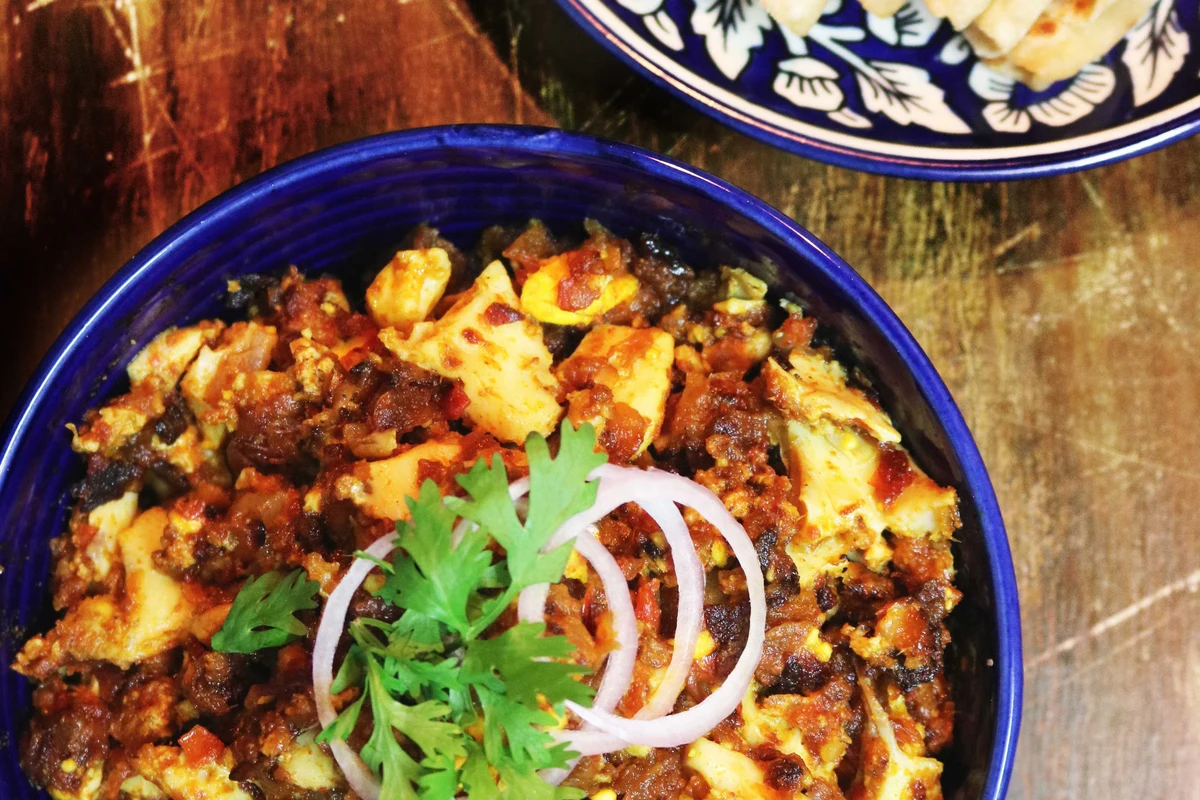
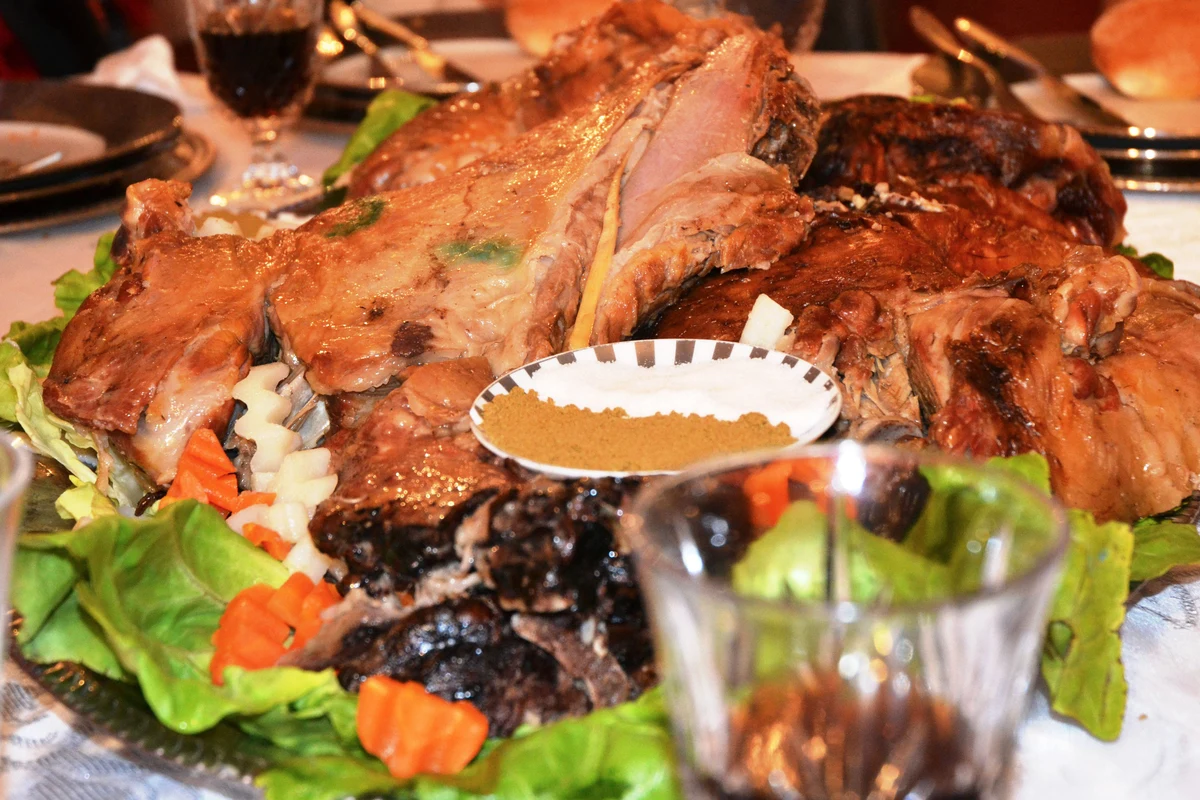
- Tagines, in most traditional preparations, are meat, vegetables and spices with no flour added — mechoui and tanjia are both naturally gluten-free slow-cooked meat dishes.
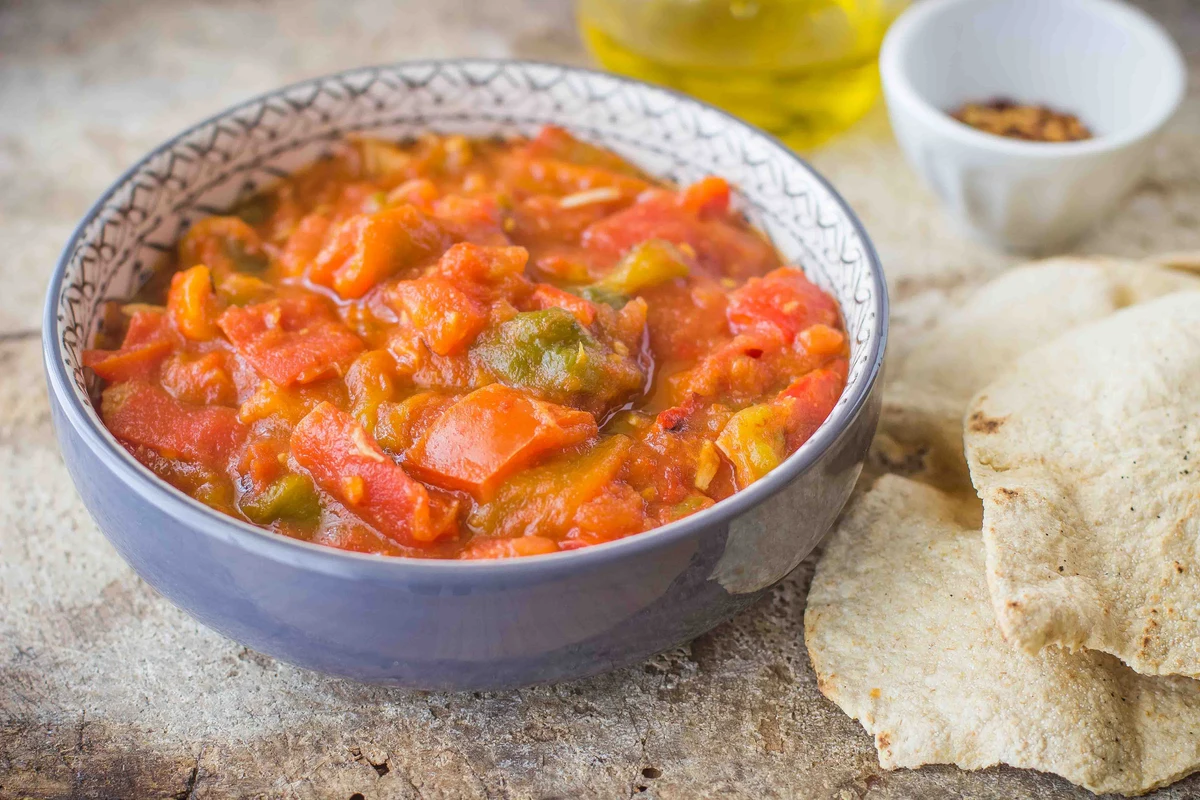
- Zaalouk and taktouka, the classic cooked salads, contain no wheat at all.
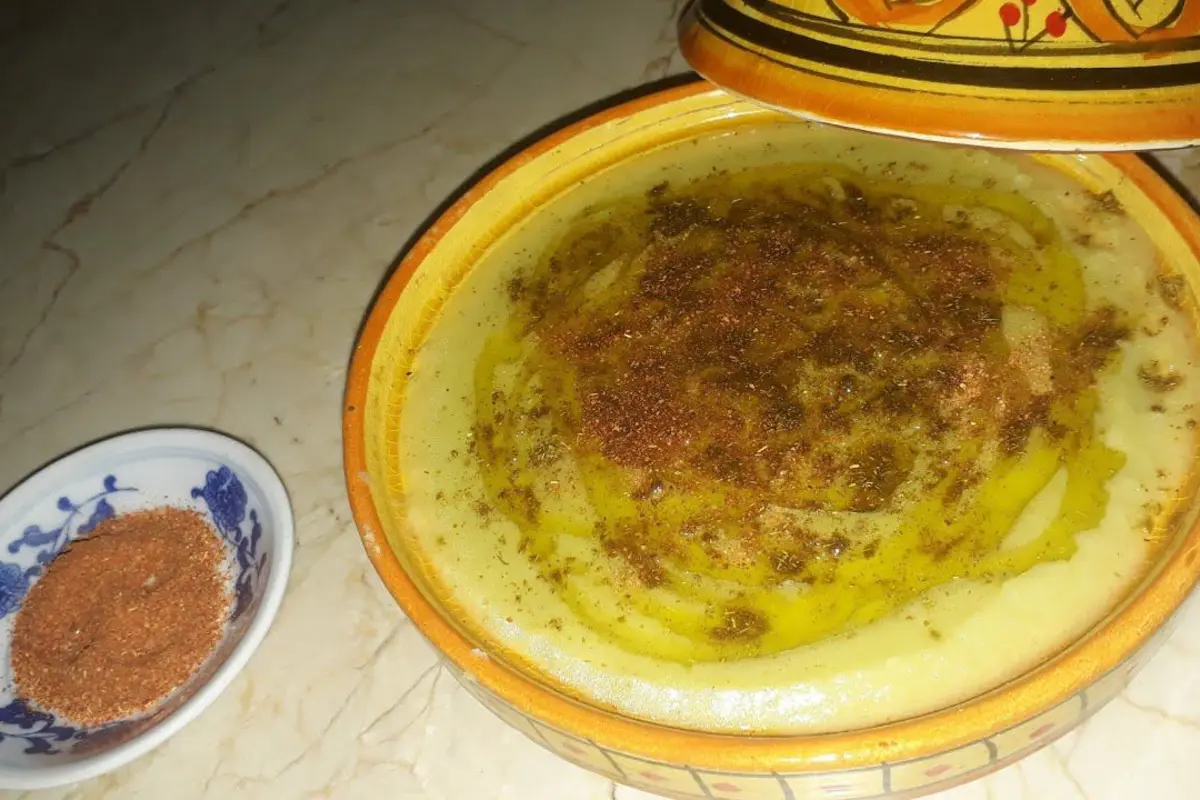
- Bessara, the fava bean soup, is naturally gluten-free as long as it isn’t served with bread on the side by default (easy to just set aside).
- Grilled meats, fish, and most fresh salads are safe bets without modification.
The Real Risk: Cross-Contamination
If you’re celiac rather than simply gluten-sensitive, the bigger concern in a home-style Moroccan kitchen isn’t usually the recipe itself — it’s shared surfaces, utensils and flour dust from bread-making happening nearby. Many traditional kitchens make bread daily, and flour has a way of traveling. If cross-contact is a real medical concern for you, say so explicitly and specifically rather than just saying “gluten-free,” and ask how bread is prepared in that kitchen that day.
Ordering and Booking With Confidence
Mentioning gluten-free needs in advance — rather than at the table — gives a host or restaurant time to actually plan around it, especially for dishes with shared bases like sauces or stocks that might otherwise get a flour thickener out of habit. Our gluten-free cooking class is planned around this from the start, with the menu confirmed ahead of time so there’s no last-minute substitution happening mid-class.