10 Moroccan Dishes You Should Try
Moroccan food goes well beyond the tagine and couscous most visitors already know about. Here’s a short list of dishes worth ordering — or learning to cook — while you’re in Marrakech.
-
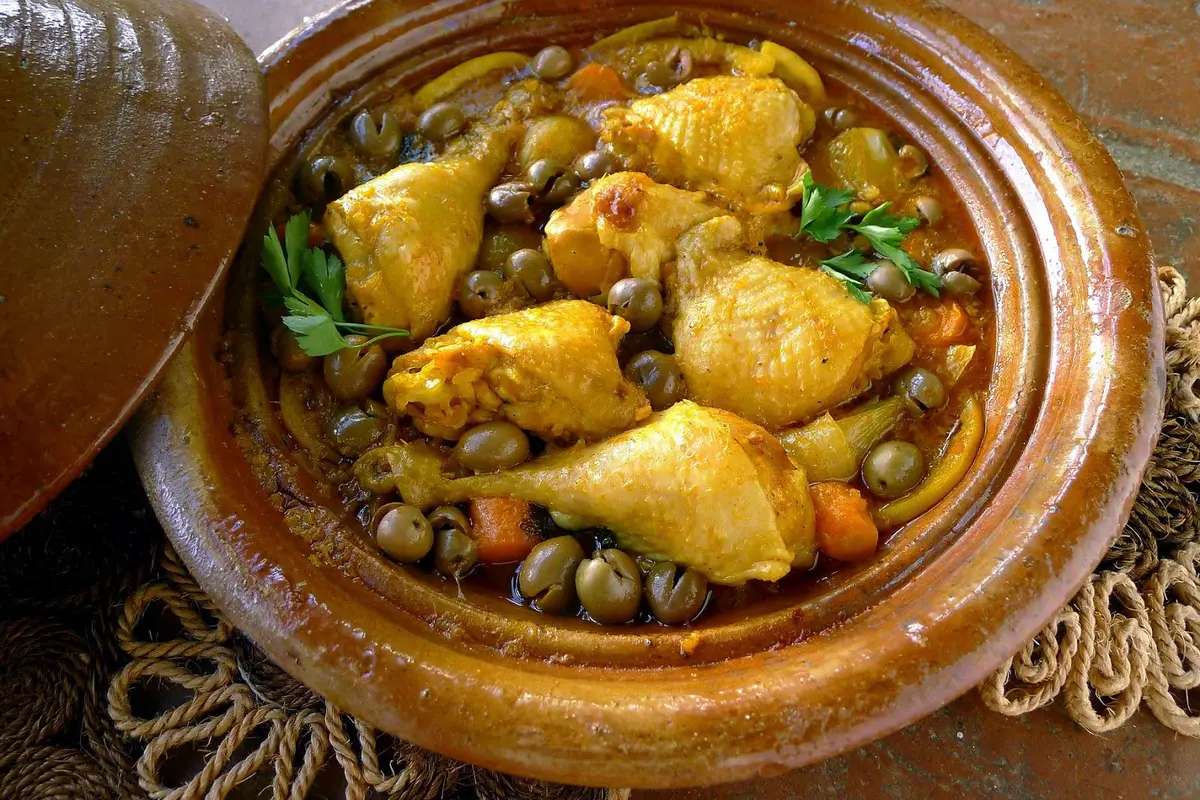
Tagine. The slow-cooked stew named after its cone-shaped clay pot. Chicken with preserved lemon and olives is the classic order; lamb with prunes and almonds is sweeter and richer. Learn the technique properly in our Tagine Cooking Class.
-
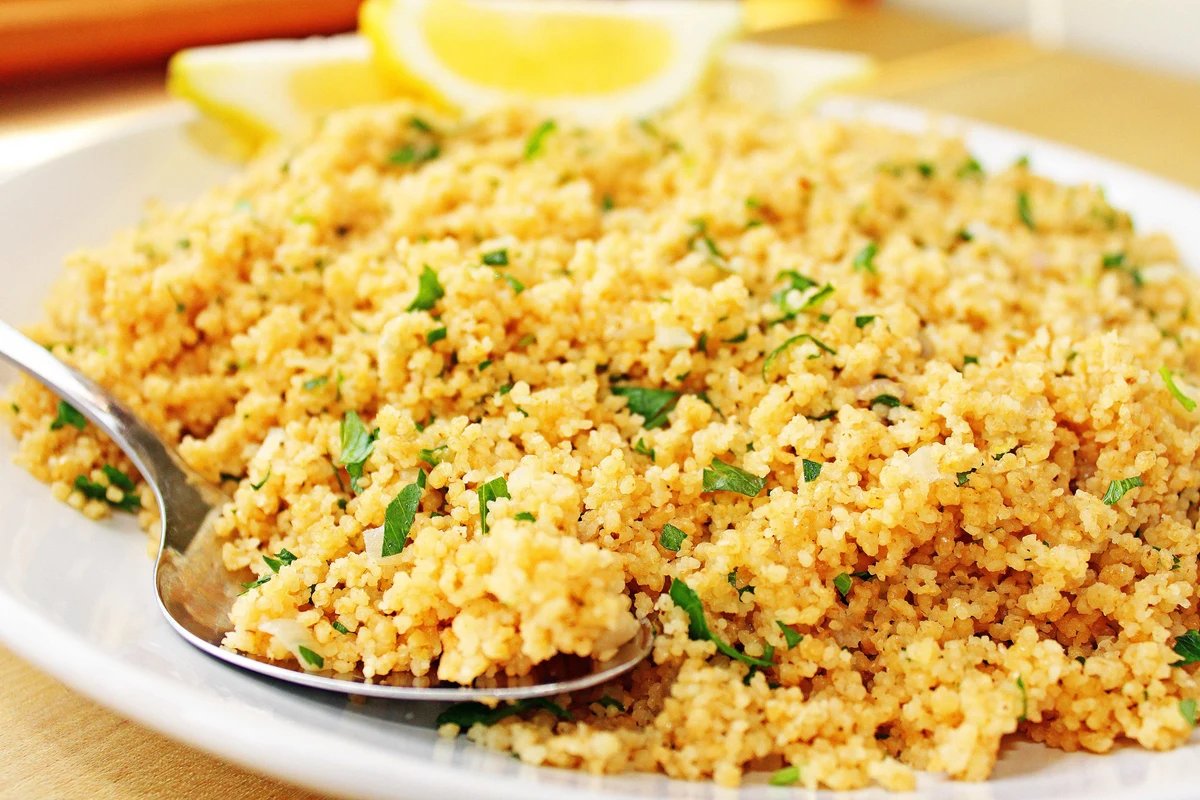
Couscous. Traditionally steamed by hand in stages, not boiled from a box. Best on a Friday, when many restaurants and households serve it as the weekly family meal.
-
Zaalouk. A smoky, garlicky cooked salad of eggplant and tomato, usually served as a starter with bread. One of the easiest Moroccan dishes to recreate at home — see our zaalouk recipe.
-
Taktouka. A close cousin of zaalouk, made with roasted peppers and tomatoes instead of eggplant. The two are often served side by side.
-
Pastilla. A savory-sweet pie, traditionally made with pigeon (commonly chicken today), wrapped in thin warqa pastry and dusted with cinnamon and sugar. More involved to make, and worth trying at a restaurant if you’re not taking a specialized class.
-
Harira. A tomato-based soup with lentils and chickpeas, associated with breaking the Ramadan fast but eaten year-round. Filling enough to be a light meal on its own.
-
Briouats. Small filo pastry parcels, savory (often cheese or meat) or sweet (almond and honey). A staple at celebrations and a good introduction to Moroccan pastry work.
-
Msemen. A square, layered flatbread, pan-fried and usually eaten for breakfast with honey or amlou (an almond-argan spread).
-
Mechoui. Slow-roasted whole lamb, seasoned simply with salt, cumin and butter, then roasted until the meat falls off the bone. More of a special-occasion dish than daily eating.
-
Moroccan mint tea. Not a dish, but essential — green tea brewed with fresh mint and sugar, poured from height to create a light foam. Offered constantly as a sign of hospitality.
If you’d rather learn to cook several of these than just order them, our Moroccan Cooking Class covers salads, tagine and bread in a single hands-on session, and our Pastry & Mint Tea Workshop covers briouats and the tea ceremony specifically. For a longer read on where each of these dishes came from, see our full guide to the best Moroccan dishes to try.