Moroccan Pastry & Mint Tea Workshop
A hands-on workshop for Moroccan sweets and the ritual of mint tea — learn to make briouats, ghriba and a proper pot of Moroccan tea.
2.5 hours
2-12 people
From
View Details
€40
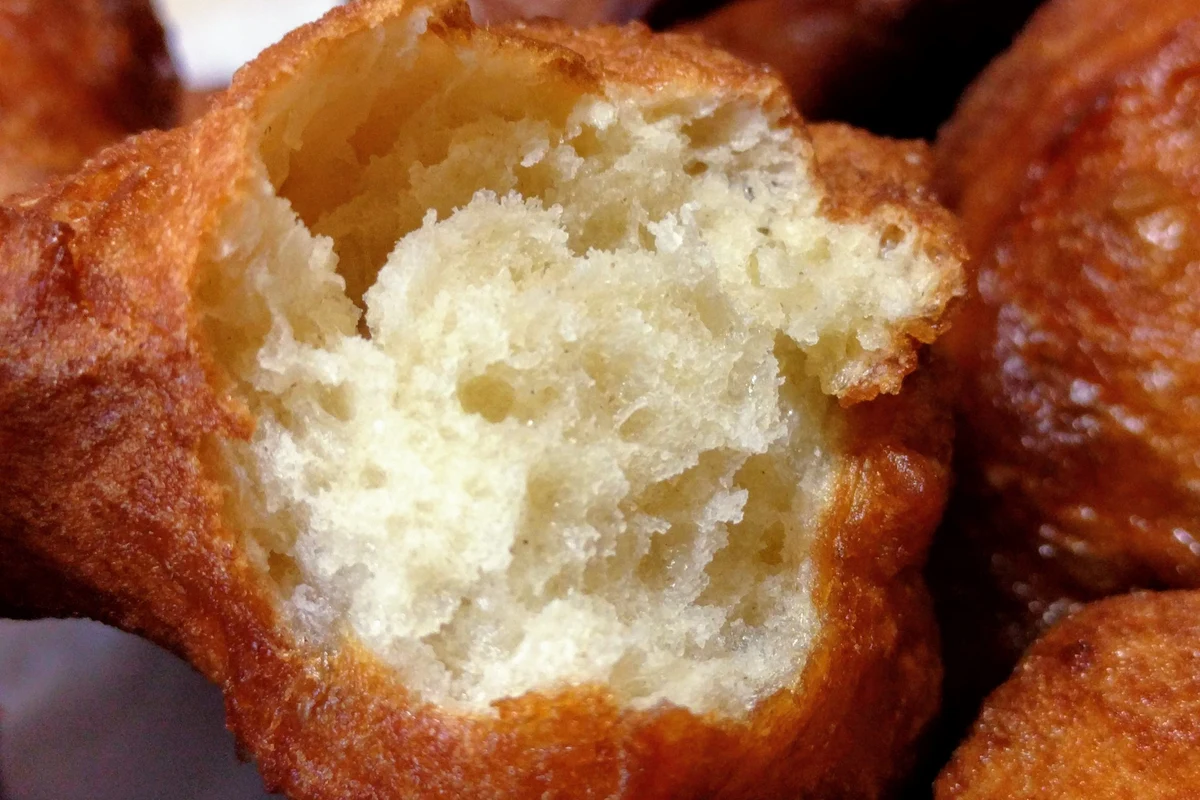
Golden, airy, and chewy Moroccan street doughnuts with a crisp golden crust, freshly fried and tossed in sugar or dipped in honey alongside mint tea.
Prep
20 minutes (plus rising)
Cook
20 minutes
Servings
12-14 doughnuts
Difficulty
Medium
Sfenj (from the Arabic safanj, meaning “sponge”) is Morocco’s beloved street food doughnut. From early morning until late afternoon, the neighborhood sfenji stands across the Marrakech Medina are surrounded by locals waiting for rings of dough pulled directly from smoking copper cauldrons.
Made from an ultra-hydrated flour dough beaten until elastic and airy, Sfenj has a delightfully irregular texture: blistered, crunchy golden crust on the outside, and a soft, chewy, webbed crumb on the inside.
In a large wide bowl (gsaa) or stand mixer, combine the flour, yeast, sugar, and salt. Gradually add warm water while beating vigorously with the palm of your hand.
Sfenj dough is exceptionally wet, sticky, and elastic (much wetter than bread dough). Slap and whip the dough upwards against the sides of the bowl for 10-12 minutes to develop strong gluten strands that trap air bubbles.
Cover the bowl tightly with plastic wrap and a blanket. Place in a warm spot and let rise for 1.5 to 2 hours until tripled in volume and filled with large air pockets.
Traditional Moroccan dual-pan frying method: Fill a small shallow skillet with 1cm of oil over medium-low heat (first pan), and a deep pot with 5cm of oil over medium-high heat (second pan). If using a single pot, maintain oil at 185°C (365°F).
Set a bowl of cold water beside your work station. Wet your hands thoroughly with water (to prevent the sticky dough from sticking to your fingers).
Pinch off an egg-sized ball of dough. Using your thumbs, pierce a hole in the center and gently stretch it into a 7-8cm ring while twirling it.
Carefully drop the ring into the shallow medium-low oil pan. Cook for 1 minute until the bottom sets and puffs lightly (this gentle start allows the dough to expand without burning).
Using metal tongs or a wooden skewer, transfer the puffed doughnut into the second, hotter deep-oil pan. The doughnut will instantly balloon into a golden, airy ring. Spoon hot oil over the top, flip, and fry until both sides are deep golden and crisp (2-3 minutes).
Lift with a skewer and drain on paper towels. Serve immediately while piping hot — plain, dredged in granulated sugar, or drizzled with warm honey.
In Moroccan medinas, street vendors thread warm sfenj through a split palm frond (*doum*) so customers can carry a dozen doughnuts home by hand without crushing them or burning their fingers.
True Sfenj relies on the intense thermal contact of hot oil to rapidly expand the high-hydration dough into its trademark chewy, cavernous crumb. Oven baking produces bread rather than authentic sfenj.
A hands-on workshop for Moroccan sweets and the ritual of mint tea — learn to make briouats, ghriba and a proper pot of Moroccan tea.
€40
Learn how to prepare traditional Moroccan dishes with a local chef in Marrakech. A hands-on 3-hour class covering tagine, salads and mint tea.
€45